
Industrial Web Design for
Technical B2B Growth
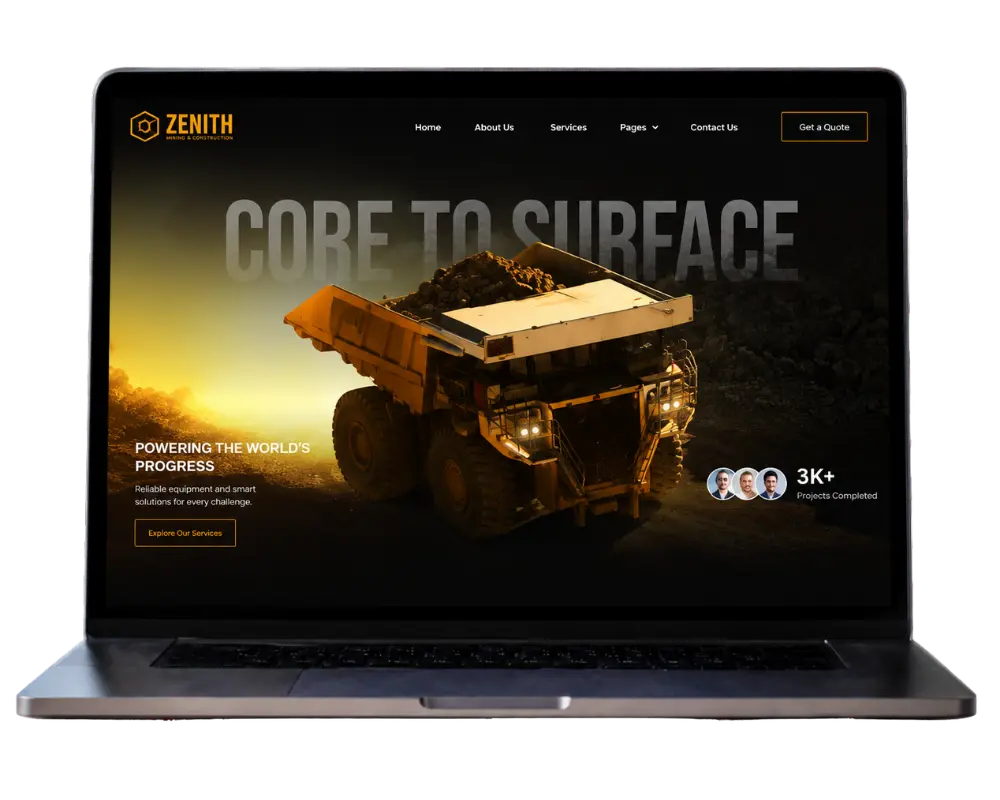
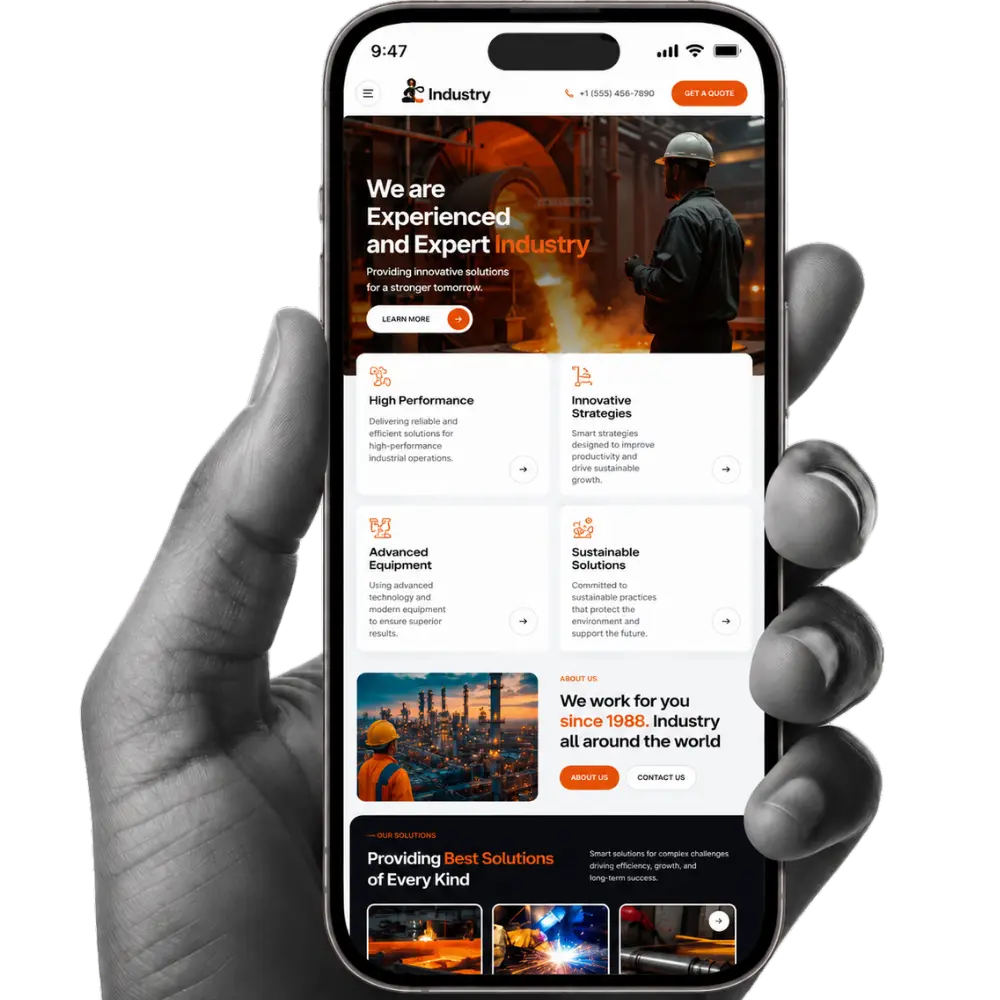
Industrial companies need more than a website that simply looks modern. They need a digital platform that explains complex products and services clearly, supports technical buyer research, builds credibility, and helps turn qualified traffic into real inquiries. Strong industrial website design gives manufacturers, engineers, distributors, and industrial service providers a better way to present value and support business growth. At Nexal IT Services, we provide industrial website development services that help your business look credible, share information clearly, and generate better leads online.
Recognized and Trusted by Industry Platforms








Why Industrial Companies Need
Better Websites
Industrial buyers do not make quick decisions. They compare suppliers carefully, review specifications, evaluate capabilities, and often complete much of their research before reaching out. Research widely cited in B2B shows 69% of the buying process happens before buyers engage sellers, and 81% choose a preferred vendor before speaking with sales. That makes a stronger industrial website important for trust, buyer support, and better lead quality.
What Makes Industrial Website Design
Different?
Industrial website design is different from general web design because it must present complex products, processes, specifications, and capabilities in a clear way while supporting long B2B buying cycles. It should help technical and commercial visitors review information easily, compare vendors, and move toward contact with more confidence.
Balances Detail With Usability
Industrial websites often carry detailed information about systems, materials, tolerances, certifications, and production capabilities. The design should make that content easier to scan and understand without removing the depth that engineers, buyers, and technical teams expect during vendor research.
Serves Engineers and Decision Makers
Industrial websites need to support more than one audience at the same time. Engineers may look for specifications and application details, while managers or procurement teams may focus on reliability, experience, lead times, and proof of capability. A strong site helps each group move forward clearly.
Connects Content With Conversion Paths
Industrial websites should do more than share technical information. They also need clear paths toward action, such as quote requests, drawing reviews, brochure downloads, capability discussions, or direct contact with sales. That structure helps turn qualified research traffic into real business inquiries.
Types of Industrial Websites
We Build
As an industrial website design agency, we understand that different industrial businesses need different website structures. The right setup depends on product complexity, sales model, technical content, buyer journey, and growth plans. Some companies need capability-focused websites, while others need catalog-driven platforms or systems built to support stronger lead handling and internal workflow.
Essential Features Industrial Website
Should Include
A strong industrial website should make technical information easier to access, support buyer confidence, and guide qualified visitors toward action. The right features help engineers, procurement teams, and decision makers review products, capabilities, and proof without confusion. When these elements are structured well, the website becomes more useful for research, trust, and lead generation.
Important Pages for Industrial Website
Success
A strong industrial website should be built around pages that support technical research, buyer confidence, and search visibility at the same time. Clear page structure helps visitors find products, services, resources, and proof more easily. It also helps search engines better understand what the business offers, who it serves, and where the strongest relevance exists across the site.
Signs Your Industrial Website
Needs Improvement
If your industrial website makes technical content hard to follow, hides datasheets, feels outdated, or gives buyers no clear next step, it may be limiting growth. Poor navigation, weak inquiry flow, low-quality leads, and missing CRM or ERP integrations can all reduce website value and make sales support harder than it should be. This is why strong web design for industrial companies focuses on clear content, simple user paths, and better lead handling from the first visit.
How Good Industrial Web Design
Supports SEO
Good industrial web design supports more than usability and presentation. It also affects how clearly products, services, applications, and resources are structured across the site. That matters for SEO because search engines need clear signals to understand technical offerings. Strong structure, organized content, and useful internal linking all help improve visibility and make industrial websites easier to discover.
How Much Does Industrial Website Design
Cost?
Industrial website design usually falls in the range of $6,000 to $30,000+, depending on how simple or complex the project needs to be. The final cost is shaped by the size of the website, the depth of technical content, product or service structure, CRM or ERP integrations, copywriting needs, SEO planning, compliance requirements, and whether you need a redesign of an existing site or a full rebuild from the ground up.
What to Look for Before Choosing
Nexal IT Services?
Choosing the right team for industrial website design should be a practical decision. The website needs to support technical content, buyer research, and qualified inquiry flow, not just visual presentation. A good provider should understand how industrial companies sell, how buyers review information, and how the site will support both marketing and sales over time.
Our Process for Industrial Website Projects
A clear process helps industrial website projects stay organized, focused, and easier to move forward with. It also gives your team a better understanding of what happens next at each stage. Our process is built around strategy, execution, and long-term value, so the website supports technical clarity, buyer needs, and stronger business outcomes from the start.
01.
Discovery and Strategy Planning
We begin by understanding your goals, target audience, technical content needs, and the role the website should play in your sales process. This stage helps define the right structure, priorities, and direction before design, content work, or development begins.
02.
Content, UX, and Design
Next, we turn the research into page messaging, user flow, and visual direction. The goal is to make complex products, services, and capabilities easier to understand while keeping the website clear, usable, and focused on helping qualified visitors move toward action.
03.
Development and Integrations Setup
Once the structure and design are approved, we move into the build stage. This can include CMS setup, custom functionality, integration work, and full testing across devices and browsers. We review details carefully so the website is ready for a smooth and reliable launch.
04.
Launch and Ongoing Improvements
Launching the website is an important step, but it is not the final one. Ongoing support helps improve content, SEO, performance, and lead quality over time. This makes it easier for the site to keep supporting your industrial business as needs, systems, and growth goals continue to change.
Ready to Build Your Industrial Website With Nexal IT Services
If your industrial company needs a website that better supports technical buyers, stronger inquiries, and long-term growth, Nexal IT Services is here to help. Whether you need a new industrial website, a redesign, or a more growth-focused upgrade, we build websites that improve clarity, support trust, and make it easier for qualified buyers to take the next step.
Frequently Asked
Questions
An industrial website should include a clear homepage, product or service pages, industry or application pages, technical resources like datasheets or manuals, proof sections such as case studies, and direct contact or RFQ paths that help serious buyers move forward.