
Assisted Living Website Design That Helps Families

For assisted living communities, a website often becomes one of the first places families turn when they are trying to understand care options. This is rarely a simple search. Many visitors are comparing choices during an emotional and important decision, which is why the website should feel warm, clear, and easy to trust from the very beginning.

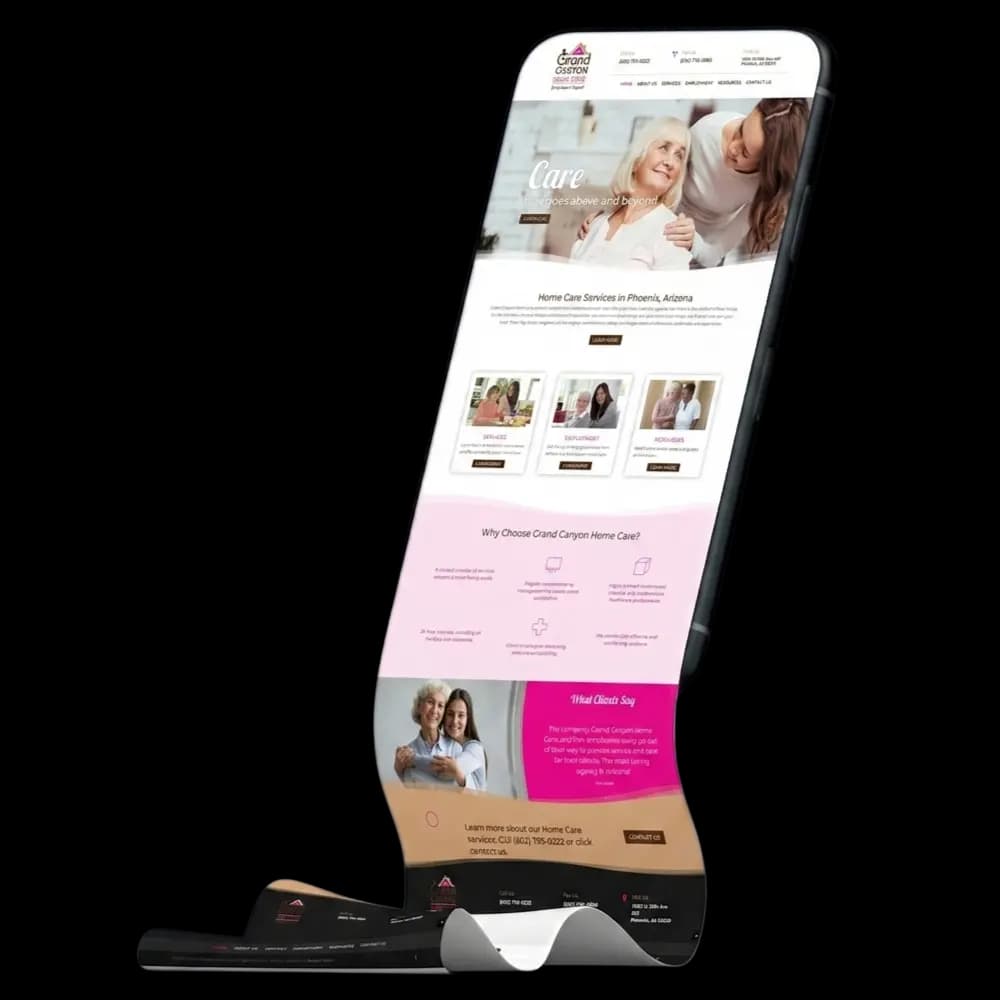
Assisted Living Website Desktop

Recognized and Trusted by Industry Platforms

GoodFirms
Trustpilot
Glassdoor
TopDevelopers
Google
Reviews.io
Yelp
Crunchbase
Techreviewer
GoodFirms
Trustpilot
Glassdoor
TopDevelopers
Google
Reviews.io
Yelp
Crunchbase
Techreviewer

Why Senior Living Websites Need a More Thoughtful Design Approach?

A strong assisted living website should do more than present a community online. It should help families understand the level of care offered, explore the living environment, learn what daily life looks like, and feel more confident about reaching out. Clear information, thoughtful structure, and a welcoming experience can make that process feel less overwhelming.

At Nexal IT Services, we build assisted living websites that help senior living providers present their community with clarity, warmth, and trust while making it easier for families to take the next step.

Core Features of a High-Performing Assisted Living Website

A strong assisted living website should support trust, usability, and real inquiries from the start.

Custom Design That Reflects the Community Brand

The website should match the community’s identity, values, and level of care. A custom design helps the brand feel more credible and gives families a clearer sense of what makes the community different.

Mobile-Friendly Layout For Families Browsing on Phones

Many families search on their phones while comparing options or sharing links with others. A mobile-friendly layout makes the website easier to read, navigate, and use on any device.

Fast-Loading Pages

Speed matters for both user experience and website performance. Fast-loading pages help visitors stay engaged and make it easier to explore key details without frustration.

Clear Calls to Action

The next step should always be easy to find. Clear calls to action help guide visitors toward contact, tour requests, or learning more about the community.

Secure Contact and Tour Request Forms

Inquiry forms should be simple, reliable, and secure. This helps families reach out with confidence and supports a smoother response process for the community.

Accessible Design With Readable Fonts

Good accessibility makes the website easier for more people to use. Readable text, clear contrast, and simple navigation improve comfort and reduce confusion.

Easy-to-Manage CMS

A manageable content system allows staff to update pages, images, announcements, and community details without unnecessary complexity.

Photo, Video, and Gallery Support

Visual content helps families better understand the environment and daily life within the community. Photos, videos, and galleries can make the experience feel more real and informative.

Testimonials and Trust Signals

Reviews, testimonials, and trust-building details help visitors feel more confident in the community. These elements support credibility and reduce hesitation.

Local SEO Foundations

The website should be built with local search in mind. Strong local SEO foundations help the community appear for relevant area-based searches and make it easier for families nearby to find the website.

What Families And Prospective Residents Need To Find Quickly

Families and prospective residents usually visit an assisted living website with clear questions and little time to waste. In 2025, 90% of U.S. adults ages 65+ said they use the internet, so senior living websites need to be built for real research behavior, not just general promotion.

People should be able to quickly find care options, daily living support, amenities, community life, floor plans, location details, contact information, and simple ways to send an inquiry or request a tour. When that information is easy to find, the website feels more helpful, more trustworthy, and easier to act on.

Website Pages That Matter Most for Assisted Living Communities

A strong assisted living website should include a clear set of pages that help families understand the community, explore care options, and take the next step with less confusion.

Homepage

The home page should give families a clear introduction to the community, the care offered, and the next steps available. It should quickly communicate trust, warmth, and clarity while guiding visitors toward the most important pages.

About the Community

The about page should help families understand who the community is, what it values, and how it approaches resident care. It should give a stronger sense of the environment and help visitors feel more connected to the people behind the community.

Assisted Living Services

The assisted living services page should clearly explain the level of support available, who it is designed for, and what families can expect. It should make the care offering easier to understand without using vague or overly broad language.

Memory Care or Specialized Care

The memory care or specialized care page should clearly outline any focused support the community provides beyond general assisted living. It should help families quickly see whether the community can meet more specific care needs.

Amenities and Daily Life

The amenities and daily life page should show what residents can expect in their everyday experience. It should help families understand the lifestyle, activities, shared spaces, dining, and overall community atmosphere.

Floor Plans or Living Options

The floor plans or living options page should make it easier for families to compare available room types or residential choices. It should give a clearer picture of how residents may live within the community.

Gallery

The gallery page should help families see the environment before they visit in person. It should support trust by showing the spaces, setting, and overall feel of the community in a more visual way.

Careers

The careers page should support hiring while also showing that the community is active, growing, and invested in quality care. It can also help reflect the culture and professionalism of the organization.

FAQs

The FAQs page should answer common questions in one place so families can find quick clarity without needing to call first. It should help reduce hesitation by covering practical concerns in a simple way.

Contact or Schedule a Tour

The contact or schedule a tour page should make the next step easy and direct. It should give families a simple way to ask questions, request more information, or book a visit without added friction.

Location Pages for Multi-Community Brands

Location pages should help each community stand on its own with the right local details, care information, and contact paths. They should make it easier for families to find the location most relevant to them and take action from there.

Senior Living Website Design for Multi-Location and Growing Brands

For organizations with multiple communities, senior living website design should support growth without becoming confusing. A clear structure helps keep the brand consistent while giving each location space to show its own services, contact details, and next steps.

Each community should have a dedicated page with local details, care information, direct contact options, and a simple inquiry path. This also helps with local search visibility, making it easier for families to find the right location and helping growing senior living brands build on a stronger foundation.

Benefits of Having a Website for Nursing Home or Assisted Living

A well-built website does more than share basic details. For a nursing home or assisted living community, it can help families feel informed, build trust early, and make it easier to reach out.

Builds Trust Before the First Call

Families often look for reassurance before they speak with anyone. A clear and professional website helps show that your community is caring, credible, and well organized. When people can easily learn about your services, care approach, team, and setting, they are more likely to feel comfortable taking the next step.

Makes Your Services Easier to Understand

Many families search while feeling stressed, emotional, or short on time. A website helps explain the type of care you offer, who you support, and what daily life may look like. This makes it easier for visitors to understand whether your nursing home or assisted living community may be the right fit for their needs.

Helps More Families Find You Online

A website gives your community a better chance of showing up in search results when families look for local care options. This can improve visibility for searches related to assisted living, nursing care, memory care, and nearby senior support. Better visibility creates more chances for the right families to discover your services.

Creates a Stronger First Impression

For many families, your website is the first real interaction they have with your community. If it feels clear, warm, and easy to use, it can leave a stronger impression than an outdated or confusing site. A better first impression can build confidence and encourage more inquiries from serious families.

Gives Each Service or Location Its Own Space

If your organization offers different care types or has multiple locations, a website helps present that clearly. Separate pages for each service or community make it easier for families to find relevant details, contact the right team, and understand their options without unnecessary confusion.

Supports More Inquiries and Tours

A good website can guide families toward action with clear contact options, inquiry forms, and simple next steps. Whether the goal is to request information, schedule a tour, or ask about availability, the website can help turn interest into real conversations in a smoother and more practical way.

Keeps Your Brand Clear and Consistent

A website helps you control how your community is presented online. Instead of relying only on outside directories, you can share your own message, values, and care approach in a way that feels accurate and consistent. This helps your nursing home or assisted living brand feel more trustworthy and professional.

Makes Growth Easier Over Time

As your community grows, your website can grow with it. New locations, services, care programs, or helpful resources can be added in a structured way. This gives nursing home or assisted living providers a stronger foundation for long-term visibility, clearer communication, and steady lead generation.

How Much Does Assisted Living Website Design Cost?

Assisted living website design usually costs between $2,000 and $12,000+, depending on the size of the website, the number of locations, the level of custom design, and whether features like inquiry forms, SEO setup, content writing, or custom functionality are included.

A smaller website for one community may stay on the lower end of the range. A larger website for a growing brand with multiple locations, custom pages, and stronger lead-generation features will usually cost more. Ongoing costs may also include hosting, maintenance, content updates, and SEO support.

Our Assisted Living Web Design Process

We follow a clear process to keep the project organized and easier to manage from start to launch.

01.

Discovery and Goals

We begin by learning about your community, audience, services, locations, and website goals. This helps set the right direction before planning starts.

02.

Sitemap and Content Planning

Next, we map the website structure, main pages, and content flow. This creates a clearer foundation for both usability and search visibility.

03.

Wireframes and Design Direction

We then plan the layout and visual direction of the website. This helps shape a design that feels clear, welcoming, and aligned with your brand.

04.

Copywriting and SEO Setup

After that, we prepare the page messaging and SEO structure. This helps the website communicate clearly while supporting relevant search visibility.

05.

Development and CMS Setup

Once approved, we build the website and set up the content management system. This gives your team a stable site and a practical way to manage updates.

06.

QA, Speed, Mobile, and Accessibility Checks

Before launch, we test the website for responsiveness, loading speed, usability, and accessibility. This helps make sure the site works well across devices.

07.

Launch and Support

After launch, we help with final updates, support needs, and future improvements as your website continues to grow.

Choose Nexal IT Services for Assisted Living Website Design

Nexal IT Services takes a more custom approach to assisted living website design, combining clear structure, warm user experience, and thoughtful content planning with strong search visibility from the start. We focus on service-led page structure, mobile-friendly design, clean UX, and scalable development so your website feels professional, easy to trust, and ready to support long-term growth.
FAQs

Frequently AskedQuestions

Let’s Talk

Let’s Build an Assisted Living Website That Feels Warm and Easy to Trust

If your assisted living community or senior living organization wants a better website, Nexal IT Services can help. We build websites that make it easier for families to understand your community, explore care options, and take the next step with more confidence. Whether you manage one location or several, we work with you to improve structure, clarity, and user experience so your website supports both your team and your growth goals.

Let's Build Your Website

Custom nursing home and assisted living websites built for growth

By checking this box, I consent to Nexal IT Services contacting me via phone or email for marketing purposes. Msg & data rates may apply.